We Missed You
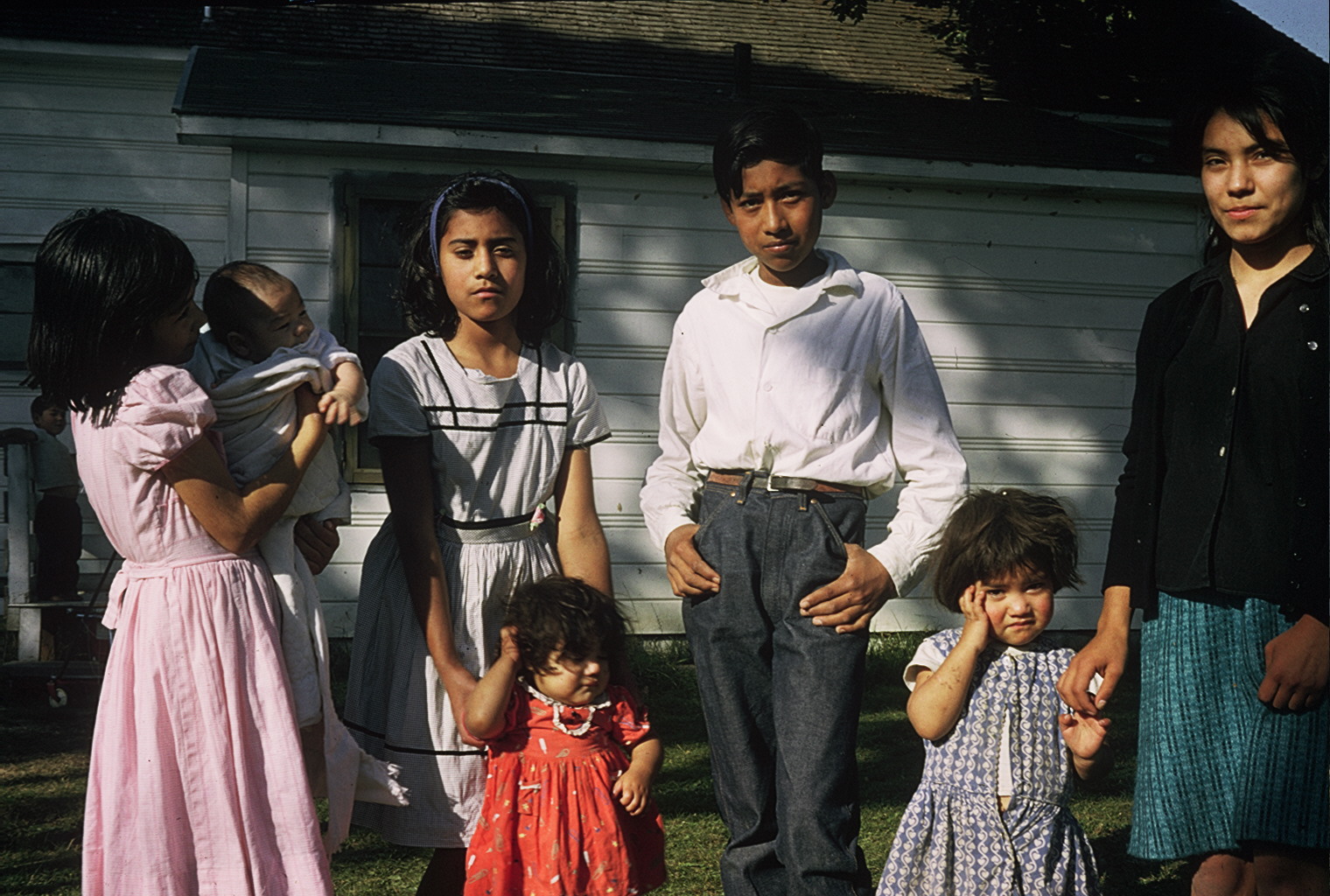
Before that first visit to Harvest Valley Labor Camp, I had attended an all-day workshop for volunteer missionaries to migrants.
“If you are doing the work of the Lord, no germs can harm you,” said the plump, blond woman sitting next to me. We were at lunch after the morning sessions.
I held my fork filled with creamed-chicken-on-biscuit in midair. The women of the Methodist church where the meeting was held brought bowls of coleslaw to go with the chicken, but I wasn’t thinking about food.
I put my fork on my plate. “But I knew this missionary who went to Africa,” I said. “His wife caught malaria and she . . .”
“I never drink the water, eat any food that is offered, or go to the bathroom when I’m in a labor camp.” This advice came from the woman who sat primly on her chair across the narrow table.
Two opinions. How was I to know which was right? I learned from experience.
By Wednesday of my first week at the camp, the weather had turned cool and cloudy as it often does in the Willamette Valley of Oregon.
Rosalia met me as I was getting out of my car. “My little Delia is sick with a sore throat. Please come to see her.”
In the room I put my hand on Delia’s hot forehead and I played at being a nurse. “Have her drink lots of water, but boil and cool it first. Sponge her body with lukewarm water to bring down the fever. Do you have aspirin? One every four hours will help Delia.”
Old grandma Gomez who lived in the next room was listening at the door. “Please come to put your hand on my husband’s head,” she pleaded.
Grandpa Gomez lay quietly on his bed with a blue bandana tied around his forehead.
“The bandana is what I know to cure fever and headache. Maybe you know something better?” Grandma asked.
I tried to think what to do without a doctor’s help.
“If the sun comes out, have him open his mouth and let the sunshine hit inside of his throat where the soreness is.”
Renaldo was absent from English class. His mother came to explain. “He is sick in bed with the grippe.”
Friday morning my throat was sore. All day as I prepared lessons, I fought my running nose and mounting fever by drinking water and hoping the sun would come out so I could open my mouth and let the sunshine kill the germs. I had no blue bandana.
After the Friday evening English class, I drove sixty miles home, took a hot bath, and went to bed.
By Sunday night I was still feverish.
“I have to get up and go back to the migrant camp tomorrow.”
“Nothing doing!” said my husband Ken, “not while you’re sick.”
“But my students will be expecting me, and there’s no phone at the camp.”
Monday I realized I was too weak to drive, but by Tuesday afternoon I was in my car and on the highway. I bumped over the last few holes in the road that led into Harvest Valley labor camp. Some women waved to me and then went to an outdoor tap for buckets of water as if I’d been gone only an hour or two. Hadn’t they even missed me?
At seven o’clock I gathered the students for English class.
“I’m sorry I had no way to let you know that I couldn’t come last night,” I said. “I was sick.”
They were silent, faces blank and puzzled. They didn’t care. They didn’t even know I had been gone.
Then Renaldo’s face came to life. “But, Luisa, you did let us know that you weren’t coming.”
“I did?”
“Of course. When you didn’t come that’s how you told us.”
“And we knew you were sick,” said Rosalia,
“How did you know?”
“Surely our teacher never would miss a chance to teach us unless she was very sick. We were sad that you were sick and now we are happy that you are here again.”
“Teacher,” said Domingo, “you were gone a long time.”
* * *
Copyright 2012, Rolf Erickson